Event Hub

Upcoming Events

— PERSEIDS METEOR SHOWER

2026 will be especially favorable for observing the Perseid meteor shower due to its peak activity coinciding with the new moon. This will create some of the best conditions for observing the meteor shower, unlike 2025, when the moon was 84% ​​illuminated.

The Perseids are one of the most popular meteor showers, capable of producing up to 100 meteors per hour. The likelihood of observing this number of meteors depends on meteorological conditions. Perseid meteors are associated with comet 109P/Swift-Tuttle and are known for their bright and fast trails.
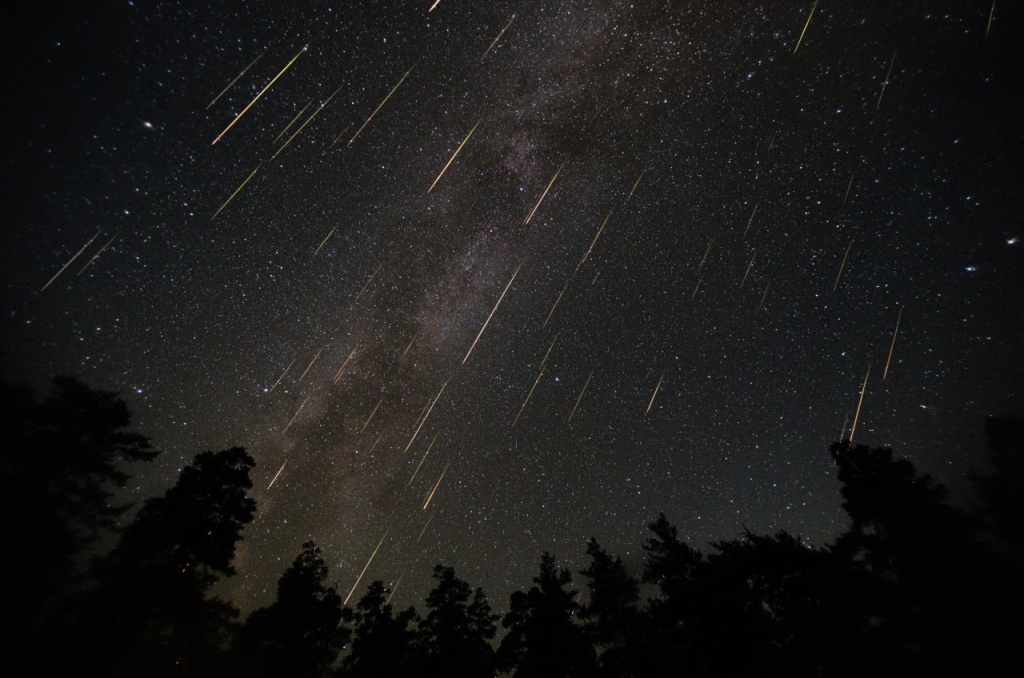
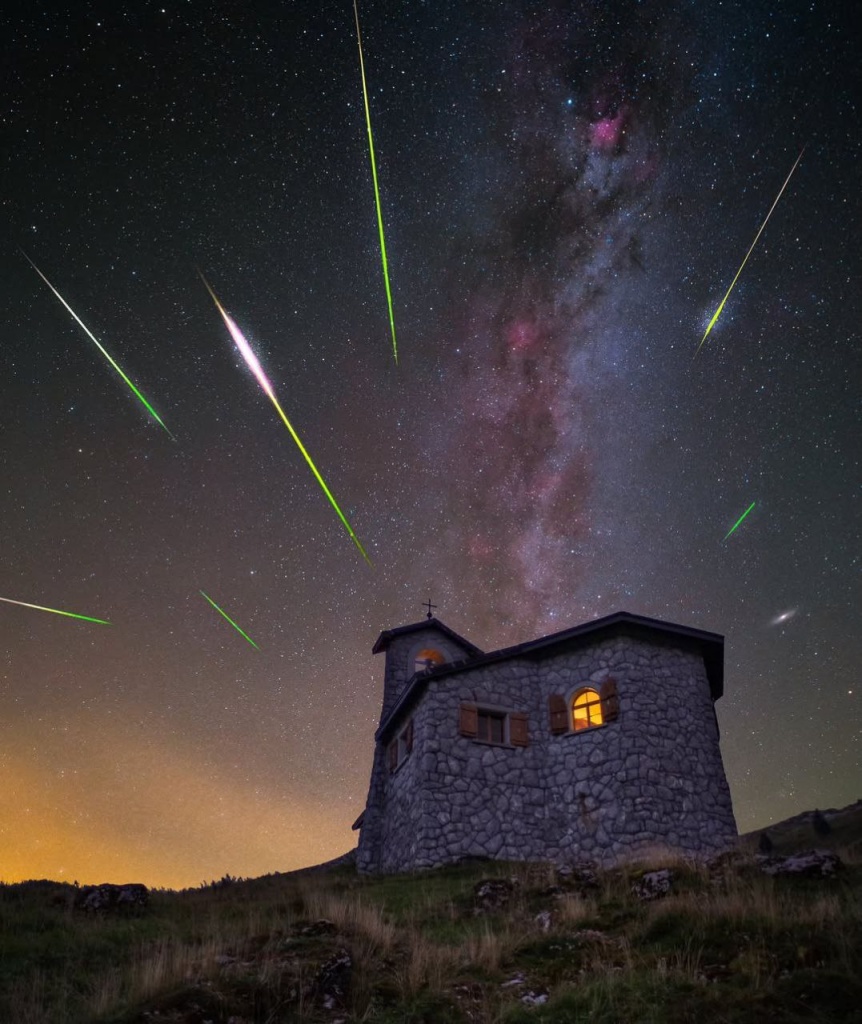
Perseid meteor shower

— GEMINID METEOR SHOWER

The Geminid meteor shower is one of the most spectacular and predictable astronomical phenomena. During its activity, up to 120 meteors can be seen per hour, weather conditions and light pollution permitting.

In 2026, the Geminids will peak around December 14. During this period, the Moon will be in its full phase. This means the Moon will be bright and fully illuminated, which could significantly reduce the visibility of the meteor shower.

Geminid meteor shower

Past Events

— Eclipse

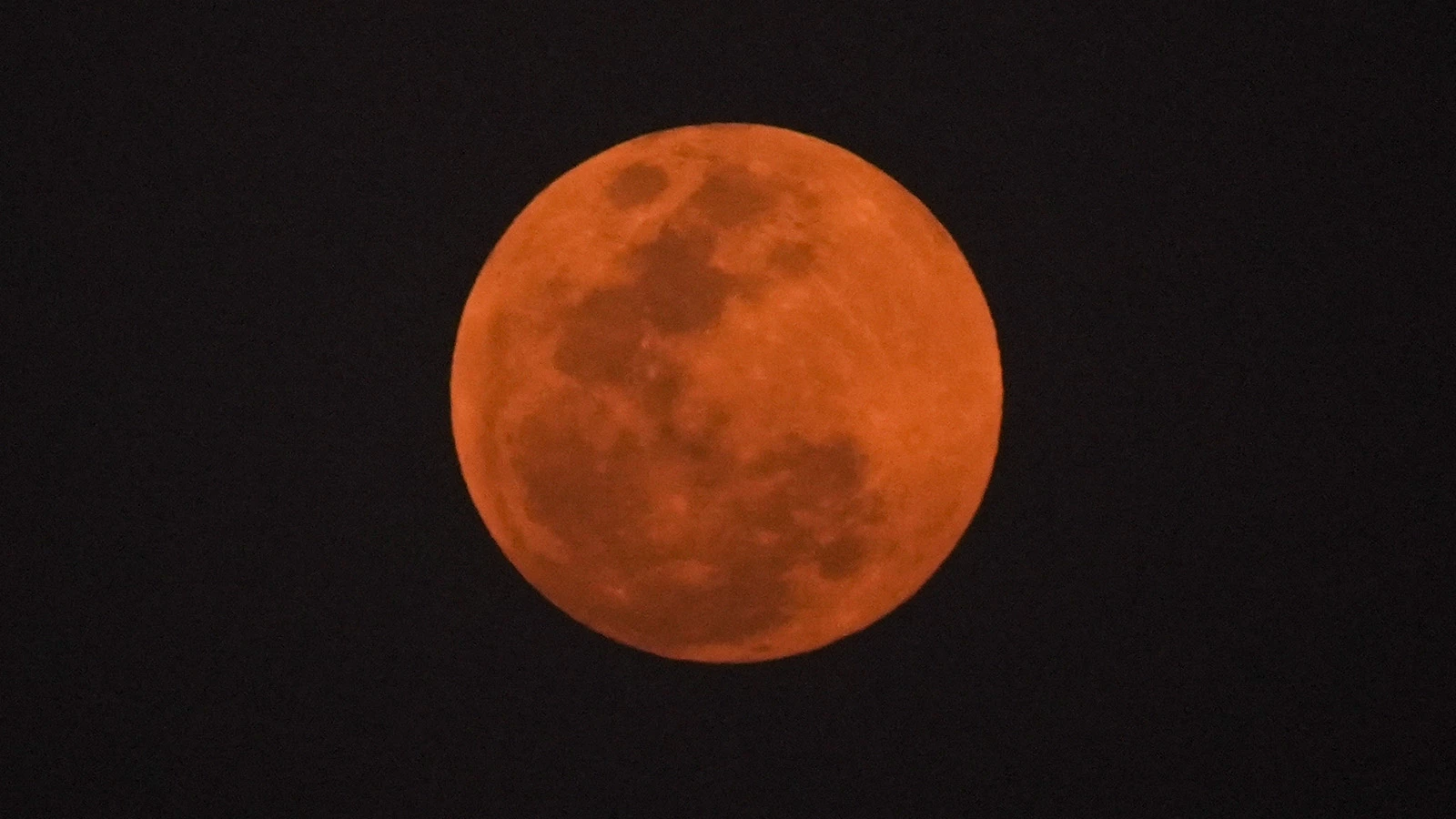
Eclipses are astronomical phenomena when one celestial body blocks the light of another. Solar eclipses occur when the Moon blocks the Sun, and lunar eclipses occur when the Earth casts a shadow on the Moon. These are among the most spectacular celestial phenomena.

Total lunar eclipse: The Moon was completely immersed in Earth's shadow, taking on a reddish hue. Best visibility in North and South America.

Eclipse

— PLANETARY PHENOMENA

Special positions of planets relative to the Earth and the Sun. These include oppositions (when a planet is in a straight line with the Earth and the Sun) and elongations (the maximum angular distances between a planet and the Sun as observed from Earth).

Saturn opposition: the planet's best visibility

Saturn opposition: the planet's best visibility